



• Home
  • About us
  • Product
  • Services
    • Hearing Aid Dealer in Delhi
    • Hearing Aid in Noida
    • Hearing Aid Centre Greater Noida
    • Hearing Aid Centre Ghaziabad
    • Hearing Aid Centre Gurugram
    • Hearing Aid Centre Faridabad
    • Best Hearing Aids Mumbai
    • Best Hearing Aids Patna
    • Best Hearing Aids Chandigrah
    • Best Hearing Aids Varanasi
    • Best Hearing Aids Meerut
  • Hearing Aids
    • Signia Hearing Aid
    • Phonak Hearing Aid
    • Oticon Hearing Aid
    • Resound Hearing Aid
    • Widex Hearing Aid
  • Blog
  • Our Centre Location
  • Contact Us
  • +91 98112 24051/ 98112 24059
  • info@soundrichhearing.com
  • Mon-Sat 10am - 7.30pm
Request Appointment
Asset-2
  • Home
  • About us
  • Product
  • Services
    • Hearing Aid Dealer in Delhi
    • Hearing Aid in Noida
    • Hearing Aid Centre Greater Noida
    • Hearing Aid Centre Ghaziabad
    • Hearing Aid Centre Gurugram
    • Hearing Aid Centre Faridabad
    • Best Hearing Aids Mumbai
    • Best Hearing Aids Patna
    • Best Hearing Aids Chandigrah
    • Best Hearing Aids Varanasi
    • Best Hearing Aids Meerut
  • Hearing Aids
    • Signia Hearing Aid
    • Phonak Hearing Aid
    • Oticon Hearing Aid
    • Resound Hearing Aid
    • Widex Hearing Aid
  • Blog
  • Our Centre Location
  • Contact Us
  • Home
  • About us
  • Product
  • Services
    • Hearing Aid Dealer in Delhi
    • Hearing Aid in Noida
    • Hearing Aid Centre Greater Noida
    • Hearing Aid Centre Ghaziabad
    • Hearing Aid Centre Gurugram
    • Hearing Aid Centre Faridabad
    • Best Hearing Aids Mumbai
    • Best Hearing Aids Patna
    • Best Hearing Aids Chandigrah
    • Best Hearing Aids Varanasi
    • Best Hearing Aids Meerut
  • Hearing Aids
    • Signia Hearing Aid
    • Phonak Hearing Aid
    • Oticon Hearing Aid
    • Resound Hearing Aid
    • Widex Hearing Aid
  • Blog
  • Our Centre Location
  • Contact Us
Asset-2
  • Home
  • About us
  • Product
  • Services
    • Hearing Aid Dealer in Delhi
    • Hearing Aid in Noida
    • Hearing Aid Centre Greater Noida
    • Hearing Aid Centre Ghaziabad
    • Hearing Aid Centre Gurugram
    • Hearing Aid Centre Faridabad
    • Best Hearing Aids Mumbai
    • Best Hearing Aids Patna
    • Best Hearing Aids Chandigrah
    • Best Hearing Aids Varanasi
    • Best Hearing Aids Meerut
  • Hearing Aids
    • Signia Hearing Aid
    • Phonak Hearing Aid
    • Oticon Hearing Aid
    • Resound Hearing Aid
    • Widex Hearing Aid
  • Blog
  • Our Centre Location
  • Contact Us
  • Home
  • About us
  • Product
  • Services
    • Hearing Aid Dealer in Delhi
    • Hearing Aid in Noida
    • Hearing Aid Centre Greater Noida
    • Hearing Aid Centre Ghaziabad
    • Hearing Aid Centre Gurugram
    • Hearing Aid Centre Faridabad
    • Best Hearing Aids Mumbai
    • Best Hearing Aids Patna
    • Best Hearing Aids Chandigrah
    • Best Hearing Aids Varanasi
    • Best Hearing Aids Meerut
  • Hearing Aids
    • Signia Hearing Aid
    • Phonak Hearing Aid
    • Oticon Hearing Aid
    • Resound Hearing Aid
    • Widex Hearing Aid
  • Blog
  • Our Centre Location
  • Contact Us
Signia Hearing Aids

Common Mistakes That Damage Your Signia Hearing Aid and How to Avoid Them

By Soundrich Hearing 

A Signia hearing aid is a sophisticated piece of hearing technology designed to deliver clear, personalised sound throughout the day. But even an advanced hearing aid can develop problems when everyday care is overlooked. Moisture, earwax, cosmetics, improper cleaning, heat, poor storage and delayed repairs can gradually affect performance.

The good news is that most avoidable damage comes down to a handful of habits. With the right Signia hearing aid maintenance routine, we can keep the device cleaner, more reliable and comfortable to use while reducing unnecessary repair costs.

This guide covers the most common mistakes Signia hearing aid users make and the practical steps we can take to prevent them.

1. Exposing Your Signia Hearing Aid to Too Much Moisture

Moisture is one of the biggest challenges for hearing aids. A device doesn’t necessarily need to be submerged in water before moisture becomes a problem. Sweat, humidity, rain, condensation and moisture around the ear can all contribute to long-term wear.

This is particularly important in humid weather or during the monsoon season. Wearing hearing aids while exercising, standing in heavy rain or spending time in a steamy bathroom can expose the device to conditions that aren’t ideal for delicate electronic components.

How to protect your Signia hearing aid from moisture

We recommend developing a simple end-of-day routine:

  1. Remove the hearing aids before showering or bathing.
  2. Wipe the exterior gently with a clean, dry cloth.
  3. Store the devices in their appropriate case when they aren’t being worn.
  4. Consider a hearing-aid drying or dehumidifying solution recommended by your hearing-care professional.
  5. Keep the hearing aids away from sinks, bathrooms and other consistently humid areas.
  6. If the device becomes noticeably wet, don’t use a hairdryer or place it against a radiator to dry it.

Never use intense heat to dry a hearing aid. Excessive heat can damage components, adhesives and materials inside the device.

2. Cleaning Your Hearing Aid With Water or Household Products

One of the most common Signia hearing aid care mistakes is treating the device like an ordinary electronic accessory.

A hearing aid should not be cleaned by rinsing it under a tap. Household cleaners, solvents, alcohol-based products and other liquids can also cause problems if they reach sensitive components.

Instead, follow the cleaning instructions supplied for your specific Signia model and use appropriate hearing-aid cleaning accessories.

How to clean Signia hearing aids safely

A basic cleaning routine can include:

  • Inspecting the device for visible debris.
  • Gently brushing appropriate microphone openings with the recommended tool.
  • Checking the receiver, dome or earmould for wax accumulation.
  • Replacing disposable wax guards when they become blocked, where applicable.
  • Wiping suitable external surfaces with an appropriate dry or manufacturer-approved cleaning material.
  • Keeping the charging contacts clean and dry on rechargeable models.

Different Signia hearing aid designs use different components, so the cleaning procedure shouldn’t be assumed to be identical for every model.

When in doubt, professional guidance is safer than experimenting with a household cleaning product.

3. Ignoring Earwax Buildup

Earwax is natural, but it can become a major nuisance for hearing-aid users.

Wax can accumulate around the dome, receiver, sound outlet, earmould or wax protection system. When an opening becomes partially blocked, sound may seem quieter, duller or distorted.

You may notice symptoms such as:

  • Muffled sound
  • Reduced volume
  • Intermittent audio
  • Whistling or feedback
  • A feeling that one hearing aid is weaker than the other
  • Increased need to raise the volume

Before assuming that the hearing aid itself has developed a serious electronic fault, check whether wax or debris is obstructing the relevant sound pathway.

Don’t use sharp objects carelessly

A toothpick, pin, needle or other improvised object can damage delicate components or push debris farther inside.

Use only the cleaning tools intended for the component you’re cleaning. If the wax guard or receiver appears blocked and you’re unsure how to replace or clean it, professional assistance is preferable.

4. Wearing Hearing Aids While Applying Hair Spray or Cosmetics

Hairspray, perfume, moisturiser, sunscreen, makeup and other cosmetic products can leave residues on hearing aids.

The problem isn’t limited to appearance. Oils and product particles can accumulate around openings and surfaces, potentially interfering with microphones, controls or other components.

A better routine

Apply cosmetics, hair products and skincare products first. Allow them to settle or dry, wash and dry your hands, and then put in your hearing aids.

This small change can make everyday Signia hearing aid maintenance much easier.

5. Handling Your Signia Hearing Aid With Wet or Dirty Hands

Hearing aids are handled several times a day. Every interaction is an opportunity for moisture, oil or debris to transfer onto the device.

Before inserting, removing or adjusting your hearing aids:

  • Make sure your hands are clean.
  • Dry them thoroughly.
  • Avoid applying heavy creams immediately before handling the device.
  • Hold the hearing aid securely so it doesn’t slip onto a hard surface.
  • Follow the correct insertion and removal method for your model.

A little care during handling can prevent avoidable drops and contamination.

6. Storing Your Hearing Aid in the Wrong Place

Leaving a hearing aid loose on a bedside table may seem harmless, but storage conditions matter.

Bathrooms are particularly unsuitable because showers and hot water create humidity. Window sills can expose devices to direct sunlight and heat. Pockets, handbags and drawers may also expose hearing aids to dust, pressure or accidental impact.

Where should you store a Signia hearing aid?

When not in use, keep the hearing aid in an appropriate protective case or charging system, depending on the model.

The storage area should ideally be:

  • Dry
  • Clean
  • Away from direct sunlight
  • Away from excessive heat
  • Away from water and steam
  • Inaccessible to children and pets

For rechargeable Signia hearing aids, follow the manufacturer’s instructions regarding charging and storage rather than adopting a generic routine.

7. Dropping the Hearing Aid During Handling

Even a brief fall can damage a hearing aid.

Hard floors, bathroom surfaces and tiled areas are especially unforgiving. The external shell may appear fine while an internal component has been affected.

To reduce the risk:

  1. Insert or remove your hearing aids while seated whenever possible.
  2. Handle them over a soft surface.
  3. Avoid placing them near the edge of a table.
  4. Keep the case nearby when removing them.
  5. Don’t rush when changing domes, wax guards or other accessories.

If a hearing aid falls and subsequently behaves differently, arrange a professional inspection rather than assuming that no visible damage means everything is fine.

8. Ignoring Changes in Sound Quality

A gradual change in sound is easy to dismiss.

You might think, “I’ll check it tomorrow.” Then tomorrow becomes next week.

If your Signia hearing aid suddenly sounds weak, distorted, intermittent or unusually noisy, investigate the change promptly.

Potential causes can include:

  • Blocked wax protection
  • Earwax
  • Moisture
  • Dirty microphone openings
  • Low battery
  • Charging problems
  • Poor physical connection
  • Damaged tubing or receiver components, depending on the device
  • Changes in hearing
  • Technical faults requiring professional assessment

The correct solution depends on the cause. Randomly increasing volume isn’t always the answer.

9. Continuing to Use a Hearing Aid That Needs Repair

Small problems shouldn’t automatically be treated as emergencies, but they shouldn’t be ignored either.

If your hearing aid repeatedly cuts out, produces unusual feedback, won’t charge correctly or shows a persistent reduction in sound quality, professional assessment can identify the underlying problem.

A hearing-care professional can determine whether the issue is related to cleaning, fitting, accessories, programming, the device itself or your hearing needs.

Early assessment can also prevent you from spending money on unnecessary accessories or replacement devices when a straightforward adjustment or repair may be sufficient.

10. Forgetting to Check the Wax Guard and Dome

For compatible Signia hearing aids, disposable components such as wax guards and domes need periodic inspection and replacement.

These parts aren’t designed to last indefinitely.

A blocked wax guard can reduce sound transmission, while a worn or damaged dome may affect comfort, fit or acoustic performance.

What should we check?

During routine maintenance, inspect:

  • The dome for cracks, deformation or excessive debris
  • The wax guard for blockage
  • The receiver opening for visible obstruction
  • Tubing or earmould components where applicable
  • Charging contacts on rechargeable devices

Follow the replacement intervals and procedures recommended for your particular Signia hearing aid.

11. Using the Wrong Battery or Charging Routine

Battery-powered and rechargeable Signia hearing aids require different care.

For battery-operated models, use the battery type specified for the device. Don’t improvise with an unsuitable battery.

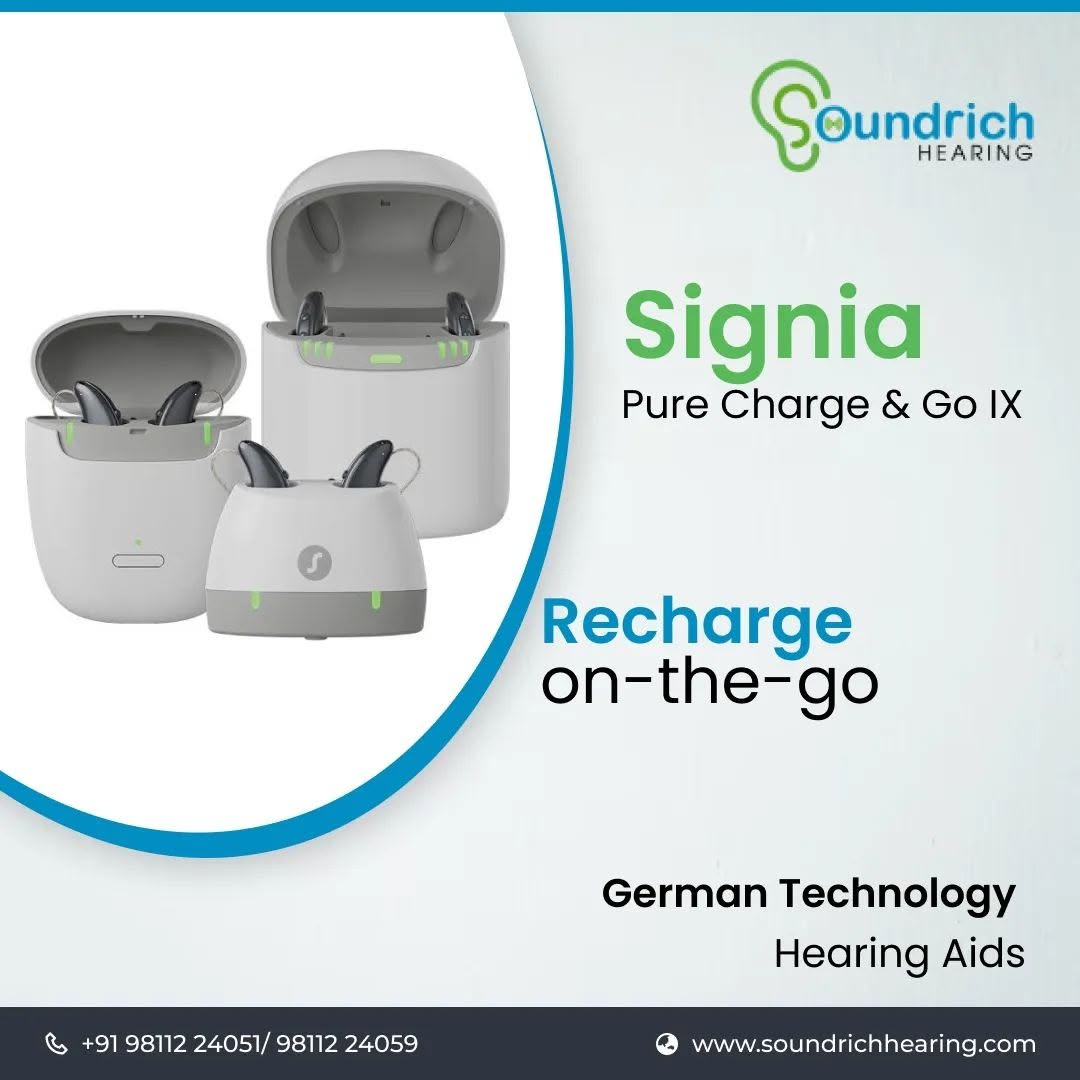
For rechargeable models, use the compatible charger and follow the manufacturer’s charging instructions. Keep charging contacts clean and dry, and don’t attempt to force the hearing aid into the charger.

If a rechargeable hearing aid repeatedly fails to charge, the problem may involve the charger, contacts, power source or device itself. Professional troubleshooting is better than repeatedly trying random fixes.

12. Exposing Your Hearing Aid to Extreme Heat

Heat can be surprisingly damaging.

Don’t leave a Signia hearing aid:

  • Inside a parked car
  • On a dashboard
  • Next to a heater
  • Under direct sunlight for prolonged periods
  • Near a hairdryer
  • Beside a hot appliance

Even when the device isn’t being used, excessive temperatures can affect electronic components, batteries and materials.

A cool, dry and protected storage location is a much better choice.

13. Trying DIY Repairs

A hearing aid may look small and simple from the outside. Internally, however, it contains sophisticated electronics and precision components.

Opening the housing, inserting tools into openings or attempting to repair electronic components yourself can cause further damage.

DIY repairs can also complicate warranty or service arrangements, depending on the circumstances.

When a problem persists after basic manufacturer-approved troubleshooting, take the hearing aid to a qualified hearing-care professional or authorised service provider.

14. Sleeping With Your Hearing Aid Without Checking the Manufacturer’s Guidance

Many users remove their hearing aids before sleeping, which also provides an opportunity to clean and store them properly.

However, hearing-aid use during sleep isn’t something to decide solely on general advice. Different devices, accessories and individual circumstances can vary.

Follow the instructions provided for your specific Signia model and your hearing-care professional’s recommendations.

If you remove the hearing aid at night, use that time to inspect it, clean appropriate surfaces and place it in the recommended storage or charging system.

15. Neglecting Professional Hearing Aid Maintenance

Home cleaning is important, but it doesn’t replace professional care.

During a professional appointment, the hearing-care team can assess the device, inspect relevant components, review performance and determine whether programming or fitting adjustments are required.

Professional follow-up becomes particularly important if:

  • Sound quality has changed.
  • One device performs differently from the other.
  • The hearing aid repeatedly disconnects or cuts out.
  • Charging is inconsistent.
  • Feedback has increased.
  • The device feels uncomfortable.
  • Your hearing needs have changed.
  • Cleaning at home hasn’t solved the problem.

A hearing aid isn’t simply something we buy and forget about. It works as part of a larger hearing-care system that includes fitting, programming, maintenance and ongoing assessment.

Signia Hearing Aid Daily, Weekly and Monthly Maintenance Routine

A simple maintenance schedule makes hearing aid care much easier to remember.

Frequency Signia Hearing Aid Maintenance
Every day Inspect the hearing aid, remove visible debris using appropriate tools, check the dome/receiver area and store or charge the device correctly.
Several times a week Check for wax accumulation, inspect the dome and examine the device for visible damage or moisture.
Weekly Inspect wax guards and other replaceable components according to the model’s instructions.
Monthly Review performance and arrange professional cleaning or assessment when required.
Whenever problems appear Don’t ignore persistent changes in sound, charging, fit or connectivity. Arrange professional troubleshooting.

What to Do If Your Signia Hearing Aid Gets Wet

Accidents happen. A sudden shower, rainstorm or splash doesn’t necessarily mean the hearing aid is beyond repair.

If your device gets wet:

  1. Remove it from the source of moisture.
  2. Turn it off if appropriate for your model.
  3. Remove the battery if your model uses a removable battery and follow the manufacturer’s guidance.
  4. Gently dry the exterior.
  5. Do not use direct heat.
  6. Do not place it in an oven, microwave or against a radiator.
  7. Don’t repeatedly switch it on to see whether it works.
  8. Use an appropriate drying system if recommended for the device.
  9. Seek professional assistance if it stops working or behaves abnormally.

The correct response depends on the amount of moisture and the specific hearing-aid model.

Signia Hearing Aid Sounds Muffled: What Should We Check?

A muffled Signia hearing aid doesn’t automatically mean the electronics are damaged.

Start with the simple possibilities:

Check the wax guard

A blocked wax guard can restrict sound output.

Inspect the dome or earmould

Wax or debris around the sound outlet can reduce clarity.

Check the microphone openings

Debris around microphone ports can affect the sound picked up by the device.

Check the battery or charge

Low power can affect operation.

Compare both hearing aids

If you use two devices and only one sounds different, the issue may be device-specific.

Consider your hearing

If the hearing aid appears to be functioning normally but speech still sounds different, your hearing may have changed. A hearing assessment can help distinguish between a device issue and a hearing-related change.

If basic checks don’t resolve the problem, professional testing is the sensible next step.

Signia Hearing Aid Feedback or Whistling: Common Causes

Feedback can be caused by several factors, including:

  • Poor fit
  • Earwax
  • Damaged or incorrectly fitted domes
  • Earmould problems
  • Excessive sound leakage
  • Changes in the ear canal
  • Incorrect programming
  • Physical damage

Repeated whistling shouldn’t simply be treated by turning the volume down. The underlying cause needs to be identified.

A hearing-care professional can check the physical fit and programming and determine whether additional adjustments are necessary.

How to Extend the Life of a Signia Hearing Aid

Good maintenance doesn’t need to be complicated. Consistency matters more than elaborate routines.

Follow these habits:

Keep it dry.
Avoid unnecessary exposure to sweat, water, steam and excessive humidity.

Keep it clean.
Use only appropriate cleaning methods and tools.

Protect it from impact.
Handle it carefully and store it securely.

Keep cosmetics away.
Apply creams, sprays and other products before inserting the hearing aid.

Inspect replaceable parts.
Check domes, wax guards and other compatible components regularly.

Don’t ignore changes.
Unusual sound, charging problems or intermittent operation deserve attention.

Follow model-specific instructions.
Signia offers different hearing-aid designs, so care requirements can vary.

Schedule professional support.
Routine assessment can help identify problems that aren’t obvious during everyday use.

Common Signia Hearing Aid Care Mistakes at a Glance

Mistake Potential Problem Better Practice
Leaving the device in a humid bathroom Moisture exposure Store it somewhere dry
Cleaning with water Liquid damage Use approved dry-cleaning methods
Ignoring earwax Blocked sound pathway Inspect and replace wax protection as appropriate
Using pins or needles Component damage Use approved cleaning tools
Applying hairspray with the hearing aid in place Product residue Apply cosmetics before insertion
Leaving it in a hot car Heat exposure Store at a suitable temperature
Ignoring intermittent sound Small issue may persist Arrange troubleshooting
Attempting DIY repairs Further damage Use qualified service
Neglecting the dome/wax guard Reduced performance Inspect regularly
Storing it loose Drops, dust or moisture exposure Use the recommended case or charger

When Should We Seek Professional Signia Hearing Aid Support?

Professional assistance is appropriate when routine cleaning and basic checks don’t resolve a problem.

We should seek help if the hearing aid:

  • Suddenly stops producing sound.
  • Produces persistent distortion.
  • Repeatedly cuts in and out.
  • Won’t charge.
  • Shows unusual battery performance.
  • Produces persistent feedback.
  • Has been dropped or physically damaged.
  • Has been exposed to significant moisture.
  • Becomes uncomfortable to wear.
  • No longer seems to provide the same hearing benefit.

A professional can determine whether the issue requires cleaning, a replacement accessory, repair, programming adjustment or a broader hearing assessment.

Frequently Asked Questions About Signia Hearing Aid Maintenance

How often should we clean a Signia hearing aid?

Light inspection and appropriate cleaning should be part of the regular routine. The exact frequency for deeper cleaning and replacement of components depends on the model, earwax production, wearing habits and manufacturer’s recommendations.

Can we clean a Signia hearing aid with water?

We shouldn’t use water directly on the hearing aid unless the manufacturer specifically instructs otherwise for a particular component. Hearing aids contain sensitive electronic components, so conventional washing isn’t an appropriate cleaning method.

Why does a Signia hearing aid sound muffled?

Possible causes include earwax, a blocked wax guard, debris around the sound outlet, moisture, low power, a fitting issue or a change in hearing. Start with appropriate basic checks and seek professional assessment if the problem continues.

Can we use alcohol wipes on a Signia hearing aid?

We shouldn’t assume that an alcohol wipe is safe for every Signia model or component. Cleaning products can affect materials and may allow liquid to enter sensitive areas. Use only products and procedures recommended for the specific device.

How can we protect a Signia hearing aid during the monsoon?

Keep it away from direct rain, remove it before bathing, avoid humid storage locations and use an appropriate drying solution if recommended for the device. Carrying a protective case can also reduce accidental exposure when travelling.

How long can a Signia hearing aid last?

Service life varies according to the specific model, usage, environmental exposure, maintenance, physical condition and changing hearing needs. Rather than relying on a fixed number of years, we should assess the device’s performance and condition periodically.

Is it worth repairing a Signia hearing aid?

Repair can make sense when the device remains suitable for the user’s hearing needs and the repair is technically and financially reasonable. A hearing-care professional can evaluate the condition of the device and explain whether repair, replacement or an adjustment is the better option.

What should we do if only one Signia hearing aid is working?

Check the obvious issues first, including charging or battery status, visible debris and the wax guard where applicable. If one device remains silent or significantly weaker, professional troubleshooting is recommended.

The Smartest Signia Hearing Aid Care Routine Is the One We Follow Consistently

Protecting a Signia hearing aid doesn’t require a complicated maintenance ritual. The biggest improvements usually come from simple habits: keeping the device dry, cleaning it correctly, handling it carefully, protecting it from heat and cosmetics, inspecting replaceable components and responding quickly when something changes.

A few minutes of attention each day can help preserve reliable performance and reduce avoidable problems. More importantly, proper maintenance ensures that the technology continues to support the conversations, relationships and everyday moments that matter.

When a problem goes beyond routine cleaning, professional hearing-care support is the right next step. Instead of guessing at the cause or attempting a risky DIY repair, we can have the device properly assessed and get the appropriate solution for the specific Signia model and individual hearing needs.


Leave A Reply Cancel reply

Your email address will not be published. Required fields are marked *

*

*

Best Hearing Aids in Dwarka Sector 11
Previous Article
  • Archives

    • August 2026
    • July 2026
    • June 2026
    • May 2026
    • April 2026
    • March 2026
    • February 2026
    • January 2026
    • December 2025
    • November 2025
    • October 2025
    • September 2025
    • August 2025
    • July 2025
    • June 2025
    • May 2025
    • April 2025
    • March 2025
    • February 2025
    • January 2025
    • December 2024
    • November 2024
    • October 2024
    • September 2024
    • August 2024
    • July 2024
    • June 2024
    • May 2024
    • April 2024
    • March 2024
    • February 2024
    • January 2024
    • December 2023
    • November 2023
    • October 2023
    • September 2023
    • August 2023
    • July 2023
    • April 2023
    • March 2023
    • February 2023
    • January 2023
    • December 2022
    • October 2022
    • April 2019


Request Appointment

If you're struggling to hear, don't wait any longer. Request an appointment for sound aid hearing today and get the help you need.
Get In Touch

We help our clients hear again

We are driven by the values of customer centricity and integrity. We will always have your best interests in our heart while dealing with you.

Read More
Facebook Instagram Linkedin Google

Explore

Home
About Us
Product
Services
Learn
Centre Location
Contact

Other Links

Disclaimer
Privacy Policy
Terms of Service

Soundrich Hearing Pvt. Ltd.

Dwarka

Flat No. 63, Ground Floor,
Sunview Apartment, Pocket-4,
Sector-11, Dwarka,
New Delhi – 110075

Uttam Nagar

info@soundrichhearing.com

E-9, Flat No. – 101,
Om Vihar Extension, Uttam Nagar,
Delhi – 110059

Janakpuri

Shop No. 1/105, Block C4E,
Near C4E Bus Stop,
Janakpuri,
New Delhi – 110058

Copyright 2026 to Soundrich Hearing All Right Reserved | Designed & Developed By Soundrich Hearing
WhatsApp
Hello👋! Thank you for choosing Soundrich Hearing. How can we help you?
Open chat