
• Home
  • About us
  • Product
  • Services
    • Hearing Aid Dealer in Delhi
      • Digital Hearing Aids In Dwarka
      • Hearing Test In Dwarka
      • Hearing Aid Fitting In Dwarka
      • Audiologist In Dwarka
    • Hearing Aid in Noida
    • Hearing Aid Centre Greater Noida
    • Hearing Aid Centre Ghaziabad
    • Hearing Aid Centre Gurugram
    • Hearing Aid Centre Faridabad
    • Best Hearing Aids Mumbai
    • Best Hearing Aids Patna
    • Best Hearing Aids Chandigrah
    • Best Hearing Aids Varanasi
    • Best Hearing Aids Meerut
  • Hearing Aids
    • Signia Hearing Aid
    • Phonak Hearing Aid
    • Oticon Hearing Aid
    • Resound Hearing Aid
    • Widex Hearing Aid
  • Blog
  • Our Centre Location
  • Contact Us
  • +91 98112 24051/ 98112 24059
  • info@soundrichhearing.com
  • Mon-Sat 10am - 7.30pm
Request Appointment
Asset-2
  • Home
  • About us
  • Product
  • Services
    • Hearing Aid Dealer in Delhi
      • Digital Hearing Aids In Dwarka
      • Hearing Test In Dwarka
      • Hearing Aid Fitting In Dwarka
      • Audiologist In Dwarka
    • Hearing Aid in Noida
    • Hearing Aid Centre Greater Noida
    • Hearing Aid Centre Ghaziabad
    • Hearing Aid Centre Gurugram
    • Hearing Aid Centre Faridabad
    • Best Hearing Aids Mumbai
    • Best Hearing Aids Patna
    • Best Hearing Aids Chandigrah
    • Best Hearing Aids Varanasi
    • Best Hearing Aids Meerut
  • Hearing Aids
    • Signia Hearing Aid
    • Phonak Hearing Aid
    • Oticon Hearing Aid
    • Resound Hearing Aid
    • Widex Hearing Aid
  • Blog
  • Our Centre Location
  • Contact Us
  • Home
  • About us
  • Product
  • Services
    • Hearing Aid Dealer in Delhi
      • Digital Hearing Aids In Dwarka
      • Hearing Test In Dwarka
      • Hearing Aid Fitting In Dwarka
      • Audiologist In Dwarka
    • Hearing Aid in Noida
    • Hearing Aid Centre Greater Noida
    • Hearing Aid Centre Ghaziabad
    • Hearing Aid Centre Gurugram
    • Hearing Aid Centre Faridabad
    • Best Hearing Aids Mumbai
    • Best Hearing Aids Patna
    • Best Hearing Aids Chandigrah
    • Best Hearing Aids Varanasi
    • Best Hearing Aids Meerut
  • Hearing Aids
    • Signia Hearing Aid
    • Phonak Hearing Aid
    • Oticon Hearing Aid
    • Resound Hearing Aid
    • Widex Hearing Aid
  • Blog
  • Our Centre Location
  • Contact Us
Asset-2
  • Home
  • About us
  • Product
  • Services
    • Hearing Aid Dealer in Delhi
      • Digital Hearing Aids In Dwarka
      • Hearing Test In Dwarka
      • Hearing Aid Fitting In Dwarka
      • Audiologist In Dwarka
    • Hearing Aid in Noida
    • Hearing Aid Centre Greater Noida
    • Hearing Aid Centre Ghaziabad
    • Hearing Aid Centre Gurugram
    • Hearing Aid Centre Faridabad
    • Best Hearing Aids Mumbai
    • Best Hearing Aids Patna
    • Best Hearing Aids Chandigrah
    • Best Hearing Aids Varanasi
    • Best Hearing Aids Meerut
  • Hearing Aids
    • Signia Hearing Aid
    • Phonak Hearing Aid
    • Oticon Hearing Aid
    • Resound Hearing Aid
    • Widex Hearing Aid
  • Blog
  • Our Centre Location
  • Contact Us
  • Home
  • About us
  • Product
  • Services
    • Hearing Aid Dealer in Delhi
      • Digital Hearing Aids In Dwarka
      • Hearing Test In Dwarka
      • Hearing Aid Fitting In Dwarka
      • Audiologist In Dwarka
    • Hearing Aid in Noida
    • Hearing Aid Centre Greater Noida
    • Hearing Aid Centre Ghaziabad
    • Hearing Aid Centre Gurugram
    • Hearing Aid Centre Faridabad
    • Best Hearing Aids Mumbai
    • Best Hearing Aids Patna
    • Best Hearing Aids Chandigrah
    • Best Hearing Aids Varanasi
    • Best Hearing Aids Meerut
  • Hearing Aids
    • Signia Hearing Aid
    • Phonak Hearing Aid
    • Oticon Hearing Aid
    • Resound Hearing Aid
    • Widex Hearing Aid
  • Blog
  • Our Centre Location
  • Contact Us
Bluetooth Hearing Aids  ·  Hearing Aid

Bluetooth Hearing Aid Machine Features, Benefits & Price Guide: A Smarter Way to Hear

By Soundrich Hearing 

Hearing technology has come a long way. Gone are the days when hearing aids were simply devices designed to make everything louder. Today, modern hearing solutions can do much more—they can connect directly to smartphones, televisions, tablets, and other compatible devices. That’s where the Bluetooth hearing aid machine steps into the spotlight.

Imagine taking a phone call and hearing the caller’s voice directly through your hearing aids. Or watching your favourite show without turning the TV volume up so high that everyone else in the room starts reaching for the remote. Pretty convenient, right? With Bluetooth connectivity, these everyday moments can become simpler, clearer, and far more comfortable.

For anyone exploring modern hearing technology, this detailed guide on Bluetooth Hearing Aid Machine Features, Benefits & Price Guide can help explain what these devices offer and what buyers should consider before making a decision.

Bluetooth hearing aids aren’t just about adding another fancy feature. When used appropriately, wireless connectivity can improve convenience, make communication easier, and give users more control over their hearing experience. However, choosing the right model isn’t as simple as picking the most expensive device on the shelf. Hearing needs vary, lifestyles differ, and budgets can range from modest to premium.

So, let’s get stuck in and explore everything you need to know!

What Is a Bluetooth Hearing Aid Machine?

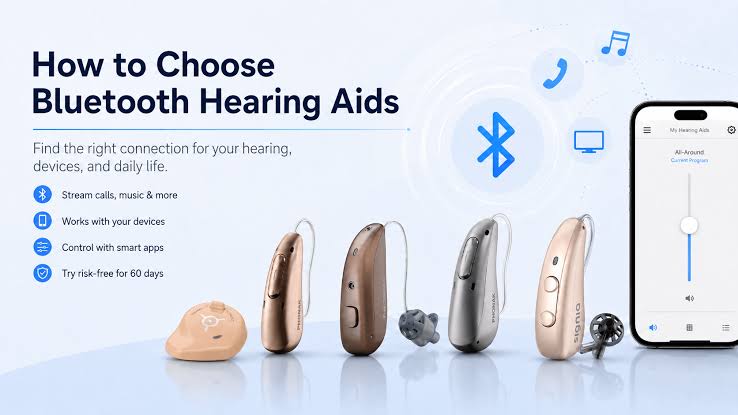
A Bluetooth hearing aid machine is a hearing device equipped with wireless technology that allows it to communicate with compatible electronic devices. Depending on the model, the hearing aid may connect directly to a smartphone, tablet, television, computer, or dedicated wireless accessory.

Instead of relying solely on the microphone to capture sound from the surrounding environment, Bluetooth-enabled hearing aids can receive selected audio signals wirelessly. For example, when connected to a smartphone, a phone call may be streamed directly into one or both hearing aids.

It’s a bit like having a personalised audio connection sitting comfortably in your ears.

Modern Bluetooth hearing aids are designed to combine traditional sound amplification and processing with smart connectivity features. The exact experience depends on the hearing aid, the user’s hearing profile, and the device being connected.

How Does Bluetooth Technology Work in Hearing Aids?

Bluetooth technology uses short-range wireless communication to transfer audio or data between compatible devices.

In a Bluetooth hearing aid, the basic process may look something like this:

  1. A compatible device sends an audio signal.
  2. The Bluetooth system communicates with the hearing aid directly or through an accessory.
  3. The hearing aid receives the signal.
  4. Its internal processing system adjusts the sound according to the user’s programmed hearing settings.
  5. The user hears the audio through the hearing aid.

Sounds straightforward—and, in many cases, it is. Still, different hearing aid brands and models use different connectivity systems.

Some devices offer direct Bluetooth streaming, while others may require a streaming accessory for certain smartphones, televisions, or other devices.

Why Are Bluetooth Hearing Aids Becoming So Popular?

Well, the answer is fairly simple: people don’t just want to hear better; they want hearing technology that fits naturally into modern life.

Our daily routines are filled with digital devices. We take calls, watch videos, join online meetings, listen to music, use navigation apps, and speak to family members through smartphones. A hearing aid that can interact with these devices can make the listening experience more seamless.

Here are some reasons behind their growing popularity:

  • Easier hands-free communication
  • Wireless audio streaming
  • Greater control through mobile apps
  • Convenient volume adjustments
  • Personalised sound settings
  • Improved access to phone and media audio
  • Compatibility with selected TV streaming accessories
  • Modern and discreet designs
  • Better integration with everyday technology

Of course, Bluetooth isn’t a magic wand. The quality of the overall hearing experience still depends heavily on the hearing aid’s microphones, processing technology, fitting, programming, and suitability for the user’s specific hearing loss.


Key Features of a Bluetooth Hearing Aid Machine

Not every Bluetooth hearing aid includes the same technology. That’s why it’s important to look beyond the word “Bluetooth” on a product brochure.

Direct Audio Streaming

One of the biggest attractions is direct audio streaming. Compatible hearing aids may receive sound from a smartphone or another supported device wirelessly.

This can be useful for:

  • Phone calls
  • Video calls
  • Music
  • Podcasts
  • Videos
  • Navigation instructions
  • Online meetings

Instead of holding a phone awkwardly against your ear, audio may be delivered directly to your hearing aids. Simple, practical, and, frankly, a lot less fiddly.

Smartphone App Control

Many modern Bluetooth hearing aids can work with dedicated smartphone applications.

Depending on the model, an app may allow users to:

  • Adjust volume
  • Change listening programs
  • Control sound balance
  • Modify certain sound settings
  • Monitor battery information
  • Access remote support features
  • Locate a misplaced hearing aid
  • Adjust settings for different environments

This level of control can be especially helpful when moving from a quiet home environment to a busy restaurant, outdoor area, or family gathering.

Hands-Free Calling Support

Some compatible hearing aid and smartphone combinations can support hands-free calling. The exact functionality varies according to the hearing aid model, smartphone operating system, and software compatibility.

For users who spend plenty of time on calls, this can be a real game-changer.

Imagine cooking dinner while talking to a family member, walking around the house during a conversation, or speaking without constantly repositioning your phone. Little conveniences can add up quickly.

TV Connectivity

Watching television can sometimes become frustrating when hearing loss is involved. Increasing the volume may help one person while making the experience uncomfortable for everyone else.

Bluetooth hearing aid systems may work with dedicated TV streaming accessories that send television audio directly to compatible hearing aids.

This can offer:

  • Clearer dialogue
  • Personalised volume levels
  • Reduced background interference
  • A more comfortable TV experience
  • Less need to turn the television volume excessively high

Now that’s a win-win for the whole household!

Rechargeable Battery Options

Many Bluetooth hearing aids are available with rechargeable batteries. Since wireless connectivity can consume power, rechargeable systems can offer added convenience.

Instead of replacing small disposable batteries regularly, users may place their devices into a charging unit.

A typical routine might be as simple as this: wear the hearing aids during the day, place them in the charger at night, and start the next day with a fully charged device.

However, battery performance varies by model and depends on factors such as streaming duration, daily usage, and battery condition.

Advanced Noise Management

Bluetooth connectivity is only one part of the equation. Modern hearing aids may also include features designed to help manage challenging listening environments.

Depending on the technology level, these may include:

  • Directional microphones
  • Background noise reduction
  • Speech enhancement
  • Feedback management
  • Automatic environmental adjustments
  • Wind noise reduction

Walking into a crowded café, for example, can be tricky. Voices overlap, dishes clatter, music plays in the background—before you know it, everything seems to blend into one noisy mess. Advanced sound processing aims to help users manage these complex environments more effectively.

Major Benefits of Bluetooth Hearing Aid Machines

Let’s take a closer look at why these devices can be appealing.

1. Greater Convenience

Convenience is perhaps the biggest benefit. Users can connect compatible devices and manage selected functions without constantly handling the hearing aid itself.

For people with limited dexterity, app-based controls may also be easier than repeatedly adjusting tiny buttons.

2. Improved Phone Conversations

Phone conversations can be challenging with conventional hearing aids, particularly when trying to position the phone correctly.

Bluetooth streaming can make calls more convenient by sending the audio signal into the hearing aids. When configured appropriately, this may provide a clearer and more comfortable listening experience.

3. Personalised Listening

Everyone’s hearing needs are different. What’s comfortable for one person might sound too loud, too soft, or simply unnatural for another.

Bluetooth-enabled apps may give users access to certain personal adjustments within the limits established by their hearing professional.

4. Better Entertainment Experience

Streaming audio from compatible devices can make it easier to enjoy:

  • Films
  • Television programmes
  • Music
  • Audiobooks
  • Podcasts
  • Social media videos

Rather than struggling to hear dialogue over background music, audio can be streamed more directly.

5. Discreet Modern Technology

Today’s hearing aids don’t necessarily look like the bulky devices many people remember from years ago.

Bluetooth functionality can be built into compact behind-the-ear, receiver-in-canal, and other modern hearing aid styles. In short, smart technology doesn’t always have to look flashy.

6. Easier Day-to-Day Adjustments

Running late, stepping outside, and suddenly finding yourself surrounded by traffic noise—it’s the sort of situation where quick adjustments can be useful.

With compatible apps, users may be able to change settings without removing their hearing aids.

Bluetooth Hearing Aid Machine Price: What Should You Expect?

One of the first questions buyers ask is: How much does a Bluetooth hearing aid machine cost?

There’s no single answer because pricing depends on several factors. Bluetooth connectivity is just one feature among many.

The cost may vary based on:

  • Brand
  • Technology level
  • Number of hearing aids required
  • Rechargeable or battery-powered design
  • Direct streaming capabilities
  • Advanced speech processing
  • Noise reduction technology
  • Hearing aid style
  • Warranty and service support
  • Included accessories
  • Professional fitting and programming

Generally speaking, basic devices may cost considerably less than premium models with advanced connectivity and sophisticated sound processing.

Why Do Prices Vary So Much?

Think of hearing aids in the same way you might think about smartphones. Two phones can both make calls, yet their cameras, processors, battery life, displays, software, and features may differ enormously.

The same principle applies here.

A premium hearing aid may offer more advanced automatic adjustments, stronger performance in difficult listening environments, broader connectivity options, rechargeable technology, and additional customisation features. That doesn’t automatically mean everyone needs the most expensive option.

The best hearing aid is one that suits the user’s hearing loss, communication requirements, lifestyle, comfort preferences, and budget.

Is the Most Expensive Bluetooth Hearing Aid Always the Best?

No—not necessarily.

A premium device may offer advanced features, but those features are only valuable if they match the user’s needs.

Someone who spends most of their time in quiet surroundings may have very different requirements from someone who regularly attends meetings, travels frequently, takes numerous calls, and spends time in noisy social environments.

Before purchasing, ask:

  • Where do I struggle to hear most often?
  • Do I use a smartphone regularly?
  • Is Bluetooth streaming important to me?
  • Do I watch a lot of television?
  • Do I want rechargeable hearing aids?
  • Do I frequently attend noisy gatherings?
  • Would app-based controls be useful?
  • What is my realistic budget?

These questions can help narrow the choices.

Bluetooth Hearing Aid Machine Features, Benefits & Price Guide: How to Choose the Right One?

Choosing a hearing aid shouldn’t be a case of simply scrolling through features and picking the device with the longest list. More isn’t always better. Better suited is better.

For a broader overview of connectivity, functionality, and pricing considerations, readers can also explore the detailed Bluetooth Hearing Aid Machine Features, Benefits & Price Guide resource.

Step 1: Start With a Professional Hearing Assessment

This is the foundation.

A hearing assessment helps identify the nature and degree of hearing difficulty. Without understanding the individual’s hearing profile, selecting technology can become little more than guesswork.

And let’s be honest—guesswork isn’t something you want when buying a device designed to help you hear better.

Step 2: Discuss Your Lifestyle

Your lifestyle matters enormously.

Tell the hearing care professional about:

  • Your work environment
  • Social activities
  • Smartphone usage
  • Television habits
  • Travel requirements
  • Family communication
  • Outdoor activities
  • Difficult listening situations

The more accurately your daily routine is understood, the easier it becomes to identify useful features.

Step 3: Check Device Compatibility

Not all Bluetooth hearing aids work identically with every smartphone or operating system.

Before purchasing, confirm compatibility with:

  • Your smartphone
  • Your operating system version
  • Tablets or computers you use
  • TV streaming accessories
  • Preferred mobile applications

A hearing aid may have excellent technology, but if it doesn’t connect properly with the devices you rely on every day, that’s a bit of a stumbling block.

Step 4: Consider Battery and Charging Preferences

Would you rather charge your hearing aids overnight or replace disposable batteries?

Rechargeable devices are convenient for many users, while traditional batteries may suit others better. There isn’t a one-size-fits-all answer.

Step 5: Focus on Comfort and Fit

A feature-packed hearing aid won’t be much use if it’s uncomfortable to wear.

Comfort, physical fit, sound quality, and proper programming should all be considered before making a final choice.

Who Can Benefit From Bluetooth Hearing Aids?

Bluetooth hearing aids can be useful for many people, but they are particularly appealing to users who regularly interact with digital technology.

They may suit:

  • Smartphone users
  • Working professionals
  • Seniors who enjoy television or phone conversations
  • People who frequently participate in video calls
  • Individuals who listen to music or podcasts
  • Users who want app-based controls
  • People looking for convenient wireless connectivity
  • Those who prefer modern, technology-focused hearing solutions

That said, suitability depends on individual hearing needs. Bluetooth capability alone shouldn’t determine the final choice.

Common Myths About Bluetooth Hearing Aid Machines

Myth 1: Bluetooth Hearing Aids Are Only for Young People

Absolutely not!

Age doesn’t decide whether someone can benefit from wireless connectivity. Plenty of older adults use smartphones, watch streaming television, make video calls, and enjoy digital entertainment.

The technology is about convenience, not age.

Myth 2: Bluetooth Means the Hearing Aid Will Automatically Solve Every Hearing Problem

Bluetooth can improve connectivity, but it doesn’t replace proper hearing assessment, fitting, and programming.

The underlying hearing aid technology and professional setup remain extremely important.

Myth 3: All Bluetooth Hearing Aids Work the Same Way

Nope.

Different brands and models may offer different streaming capabilities, app functions, compatibility options, and accessories.

Always check the specifications of the particular device.

Myth 4: Bluetooth Hearing Aids Are Always Huge and Noticeable

Modern hearing technology comes in a variety of sizes and styles. Many Bluetooth-enabled models are designed to be discreet and comfortable.

Myth 5: You Can Buy Any Bluetooth Hearing Aid Without Guidance

Technically, hearing devices may be available through different channels, but professional guidance can be valuable when selecting and fitting a device for an individual’s hearing requirements.

After all, hearing needs aren’t identical, and a poor fit can affect the overall experience.

Tips for Getting the Most From Your Bluetooth Hearing Aid

Once you’ve selected a suitable device, a few good habits can help.

Keep Your Smartphone Software Updated

Compatibility and app performance can sometimes depend on current software versions. Keeping your phone and hearing aid app updated may help maintain proper functionality.

Learn the App Gradually

There’s no need to master every setting on day one.

Start with the basics:

  1. Adjust volume.
  2. Switch listening programs.
  3. Check battery status.
  4. Learn how to connect and disconnect Bluetooth.
  5. Explore additional settings when comfortable.

Take it one step at a time. Rome wasn’t built in a day, and neither is confidence with new technology!

Follow Recommended Cleaning and Care Instructions

Hearing aids are exposed to earwax, moisture, dust, and everyday handling. Regular cleaning and proper storage can help maintain performance.

Follow the manufacturer’s instructions and seek professional assistance if you notice changes in sound quality or operation.

Don’t Ignore Follow-Up Appointments

Fine-tuning can make a meaningful difference.

As you begin using your hearing aids in real-world situations, you may discover that certain environments require adjustments. Feedback from daily use can help a hearing professional refine the settings.

Frequently Asked Questions About Bluetooth Hearing Aid Machines

Can Bluetooth hearing aids connect directly to smartphones?

Many modern Bluetooth hearing aids can connect directly to compatible smartphones, although functionality varies by model, operating system, and manufacturer. Some devices may require an additional accessory for specific features.

Can I stream phone calls through Bluetooth hearing aids?

Depending on compatibility and hearing aid technology, phone call audio may be streamed directly to the hearing aids. Hands-free calling capabilities can vary.

Do Bluetooth hearing aids work with televisions?

Some hearing aids can stream television audio using compatible TV accessories or wireless transmitters. Direct connection options depend on the specific product.

Do Bluetooth hearing aids use more battery power?

Wireless streaming can increase power consumption. Rechargeable models and traditional battery-powered devices may perform differently depending on usage and streaming time.

Are Bluetooth hearing aids difficult to use?

Most modern systems are designed to be user-friendly, although there may be a learning period. A hearing care professional can help with pairing, app setup, and basic controls.

Can I control Bluetooth hearing aids with an app?

Many models offer smartphone applications that allow users to control selected settings, such as volume and listening programs. Available features depend on the hearing aid.

How much does a Bluetooth hearing aid machine cost?

Prices vary widely depending on the brand, technology level, features, hearing aid style, connectivity, service, and accessories. A professional consultation can help identify options that suit both hearing needs and budget.

Are Bluetooth hearing aids suitable for senior citizens?

Yes, they can be suitable for senior citizens who want easier access to phone calls, television audio, and convenient hearing aid controls. The best choice depends on the individual’s hearing, comfort, lifestyle, and technology preferences.

Conclusion

A Bluetooth hearing aid machine brings modern connectivity into the world of hearing care. From streaming calls and media to adjusting settings through a smartphone, these devices can make everyday listening more convenient and personalised.

Still, Bluetooth is only part of the story.

The right hearing aid should provide a good balance between sound quality, comfort, connectivity, battery performance, features, professional fitting, and price. Chasing the longest feature list isn’t always the smartest move. Sometimes, the best solution is simply the one that fits naturally into your life and helps you communicate with greater confidence.

Before making a purchase, get a proper hearing assessment, discuss your daily listening challenges, check smartphone compatibility, and compare the technology options available. Taking that extra step can save plenty of frustration later.

For a closer look at modern connectivity, useful features, potential benefits, and price considerations, visit the Bluetooth Hearing Aid Machine Features, Benefits & Price Guide. With the right information and professional guidance, choosing a hearing solution doesn’t have to feel like navigating a maze. It can be a clear, informed step toward a more connected listening experience.

At Soundrich Hearing, we help individuals experience clearer, more confident hearing with advanced digital hearing solutions tailored to their unique needs. From modern Bluetooth hearing aids with smart connectivity features to expert hearing consultations and professional hearing tests, our team is committed to making better hearing simple and accessible. We offer personalised guidance, leading hearing aid technology, convenient service options, and ongoing support to help you choose a solution that fits your lifestyle and budget.


Leave A Reply Cancel reply

Your email address will not be published. Required fields are marked *

*

*

Top Hearing Aid Dealers in Dwarka - Delhi: Finding the Right Hearing Solution for a Better Life
Previous Article
  • Archives

    • August 2026
    • July 2026
    • June 2026
    • May 2026
    • April 2026
    • March 2026
    • February 2026
    • January 2026
    • December 2025
    • November 2025
    • October 2025
    • September 2025
    • August 2025
    • July 2025
    • June 2025
    • May 2025
    • April 2025
    • March 2025
    • February 2025
    • January 2025
    • December 2024
    • November 2024
    • October 2024
    • September 2024
    • August 2024
    • July 2024
    • June 2024
    • May 2024
    • April 2024
    • March 2024
    • February 2024
    • January 2024
    • December 2023
    • November 2023
    • October 2023
    • September 2023
    • August 2023
    • July 2023
    • April 2023
    • March 2023
    • February 2023
    • January 2023
    • December 2022
    • October 2022
    • April 2019


Request Appointment

If you're struggling to hear, don't wait any longer. Request an appointment for sound aid hearing today and get the help you need.
Get In Touch

We help our clients hear again

We are driven by the values of customer centricity and integrity. We will always have your best interests in our heart while dealing with you.

Read More
Facebook Instagram Linkedin Google

Explore

Home
About Us
Product
Services
Learn
Centre Location
Contact

Other Links

Disclaimer
Privacy Policy
Terms of Service

Soundrich Hearing Pvt. Ltd.

Dwarka

Flat No. 63, Ground Floor,
Sunview Apartment, Pocket-4,
Sector-11, Dwarka,
New Delhi – 110075

Uttam Nagar

info@soundrichhearing.com

E-9, Flat No. – 101,
Om Vihar Extension, Uttam Nagar,
Delhi – 110059

Janakpuri

Shop No. 1/105, Block C4E,
Near C4E Bus Stop,
Janakpuri,
New Delhi – 110058

Copyright 2026 to Soundrich Hearing All Right Reserved | Designed & Developed By Soundrich Hearing
WhatsApp
Hello👋! Thank you for choosing Soundrich Hearing. How can we help you?
Open chat