


• Home
  • About us
  • Product
  • Services
    • Hearing Aid Dealer in Delhi
      • Digital Hearing Aids In Dwarka
      • Hearing Test In Dwarka
      • Hearing Aid Fitting In Dwarka
      • Audiologist In Dwarka
    • Hearing Aid in Noida
    • Hearing Aid Centre Greater Noida
    • Hearing Aid Centre Ghaziabad
    • Hearing Aid Centre Gurugram
    • Hearing Aid Centre Faridabad
    • Best Hearing Aids Mumbai
    • Best Hearing Aids Patna
    • Best Hearing Aids Chandigrah
    • Best Hearing Aids Varanasi
    • Best Hearing Aids Meerut
  • Hearing Aids
    • Signia Hearing Aid
    • Phonak Hearing Aid
    • Oticon Hearing Aid
    • Resound Hearing Aid
    • Widex Hearing Aid
  • Blog
  • Our Centre Location
  • Contact Us
  • +91 98112 24051/ 98112 24059
  • info@soundrichhearing.com
  • Mon-Sat 10am - 7.30pm
Request Appointment
Asset-2
  • Home
  • About us
  • Product
  • Services
    • Hearing Aid Dealer in Delhi
      • Digital Hearing Aids In Dwarka
      • Hearing Test In Dwarka
      • Hearing Aid Fitting In Dwarka
      • Audiologist In Dwarka
    • Hearing Aid in Noida
    • Hearing Aid Centre Greater Noida
    • Hearing Aid Centre Ghaziabad
    • Hearing Aid Centre Gurugram
    • Hearing Aid Centre Faridabad
    • Best Hearing Aids Mumbai
    • Best Hearing Aids Patna
    • Best Hearing Aids Chandigrah
    • Best Hearing Aids Varanasi
    • Best Hearing Aids Meerut
  • Hearing Aids
    • Signia Hearing Aid
    • Phonak Hearing Aid
    • Oticon Hearing Aid
    • Resound Hearing Aid
    • Widex Hearing Aid
  • Blog
  • Our Centre Location
  • Contact Us
  • Home
  • About us
  • Product
  • Services
    • Hearing Aid Dealer in Delhi
      • Digital Hearing Aids In Dwarka
      • Hearing Test In Dwarka
      • Hearing Aid Fitting In Dwarka
      • Audiologist In Dwarka
    • Hearing Aid in Noida
    • Hearing Aid Centre Greater Noida
    • Hearing Aid Centre Ghaziabad
    • Hearing Aid Centre Gurugram
    • Hearing Aid Centre Faridabad
    • Best Hearing Aids Mumbai
    • Best Hearing Aids Patna
    • Best Hearing Aids Chandigrah
    • Best Hearing Aids Varanasi
    • Best Hearing Aids Meerut
  • Hearing Aids
    • Signia Hearing Aid
    • Phonak Hearing Aid
    • Oticon Hearing Aid
    • Resound Hearing Aid
    • Widex Hearing Aid
  • Blog
  • Our Centre Location
  • Contact Us
Asset-2
  • Home
  • About us
  • Product
  • Services
    • Hearing Aid Dealer in Delhi
      • Digital Hearing Aids In Dwarka
      • Hearing Test In Dwarka
      • Hearing Aid Fitting In Dwarka
      • Audiologist In Dwarka
    • Hearing Aid in Noida
    • Hearing Aid Centre Greater Noida
    • Hearing Aid Centre Ghaziabad
    • Hearing Aid Centre Gurugram
    • Hearing Aid Centre Faridabad
    • Best Hearing Aids Mumbai
    • Best Hearing Aids Patna
    • Best Hearing Aids Chandigrah
    • Best Hearing Aids Varanasi
    • Best Hearing Aids Meerut
  • Hearing Aids
    • Signia Hearing Aid
    • Phonak Hearing Aid
    • Oticon Hearing Aid
    • Resound Hearing Aid
    • Widex Hearing Aid
  • Blog
  • Our Centre Location
  • Contact Us
  • Home
  • About us
  • Product
  • Services
    • Hearing Aid Dealer in Delhi
      • Digital Hearing Aids In Dwarka
      • Hearing Test In Dwarka
      • Hearing Aid Fitting In Dwarka
      • Audiologist In Dwarka
    • Hearing Aid in Noida
    • Hearing Aid Centre Greater Noida
    • Hearing Aid Centre Ghaziabad
    • Hearing Aid Centre Gurugram
    • Hearing Aid Centre Faridabad
    • Best Hearing Aids Mumbai
    • Best Hearing Aids Patna
    • Best Hearing Aids Chandigrah
    • Best Hearing Aids Varanasi
    • Best Hearing Aids Meerut
  • Hearing Aids
    • Signia Hearing Aid
    • Phonak Hearing Aid
    • Oticon Hearing Aid
    • Resound Hearing Aid
    • Widex Hearing Aid
  • Blog
  • Our Centre Location
  • Contact Us
Hearing Aid

What Happens During a Hearing Aid Fitting Appointment? A Complete Guide for First-Time Users

By Soundrich Hearing 

Getting hearing aids is an important step towards managing hearing loss, but choosing the right device is only part of the process. A professional hearing aid fitting appointment helps ensure that your devices are suitable for your hearing needs, comfortable to wear, and programmed to provide appropriate sound levels.

For first-time users, the appointment may seem unfamiliar. You might wonder whether the process is painful, how long it takes, or whether you will hear clearly immediately after the fitting. Understanding what happens during the appointment can help you feel more confident and prepared.

At Soundrich Hearing, we believe that effective hearing care involves more than selecting a hearing aid. It includes professional assessment, personalised fitting, practical guidance, and ongoing support to help users adapt to their devices.

What Is a Hearing Aid Fitting Appointment?

A hearing aid fitting appointment is a professional session during which an audiologist or qualified hearing care professional programs and adjusts hearing aids according to an individual’s hearing test results, listening requirements, and physical comfort.

The purpose is to make sure the hearing aids provide appropriate amplification without making everyday sounds uncomfortably loud. The professional also explains how to wear, operate, clean, and maintain the devices.

A fitting appointment typically includes:

  • Reviewing your hearing test results and communication needs.
  • Selecting and checking the hearing aids.
  • Programming the devices according to your hearing profile.
  • Verifying their performance where appropriate.
  • Checking physical comfort and sound quality.
  • Learning how to operate and maintain the hearing aids.
  • Planning follow-up appointments and adjustments.

The exact process depends on your hearing loss, the hearing aid model, and whether you are a first-time or experienced user.

Step 1: Discussing Your Hearing Needs and Lifestyle

The appointment usually begins with a conversation about your hearing difficulties, daily routine, and expectations.

Your audiologist may ask questions such as:

  • Do you struggle to understand conversations in noisy environments?
  • Do you find it difficult to hear family members or colleagues?
  • Do you frequently watch television or talk on the phone?
  • Do you attend meetings, social gatherings, or religious events?
  • Have you used hearing aids before?
  • Do you have difficulty handling small devices or changing batteries?

These questions help the professional understand where you need the most support.

For example, someone who spends considerable time in meetings may need particular attention to speech understanding in background noise. A person who primarily socialises at home may have different listening priorities.

Your answers help guide device selection, programming, and the settings that may be useful for your lifestyle.

Step 2: Reviewing Your Hearing Test Results

Before programming the hearing aids, the hearing care professional reviews your audiogram and other relevant assessment findings.

An audiogram shows the softest sounds you can hear at different frequencies. These results help identify the degree and pattern of hearing loss in each ear.

The professional may explain:

  • Which frequencies are difficult for you to hear.
  • Whether your hearing loss differs between your ears.
  • How your hearing difficulties may affect speech understanding.
  • What hearing aids can reasonably be expected to improve.
  • Whether additional medical assessment is necessary.

This discussion is important because hearing aids are not programmed using the same settings for every person.

Your hearing profile provides a starting point for determining how much amplification is appropriate at different frequencies. Your comfort, speech understanding, and feedback during the fitting also influence the final adjustments.

If you have experienced a sudden change in hearing, ear pain, discharge, or other concerning symptoms, you may need medical evaluation before proceeding with a routine fitting.

Step 3: Selecting the Right Hearing Aid Style

If you have not already selected your devices, the professional may help you compare suitable options.

Common hearing aid styles include:

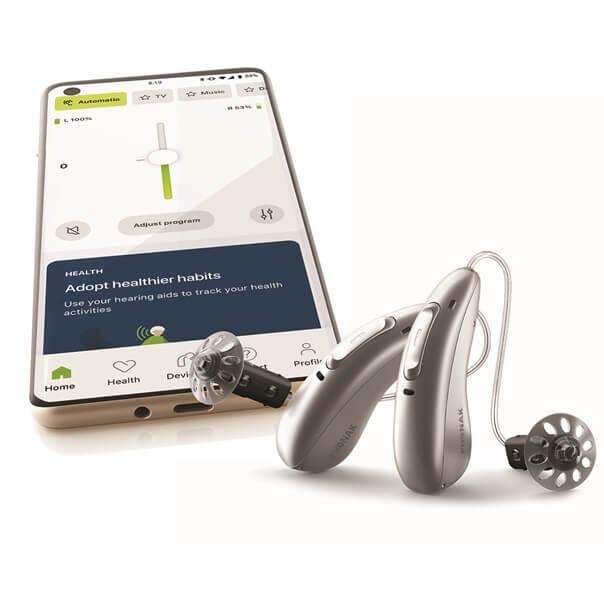
Behind-the-ear (BTE): These devices sit behind the ear and are connected to an earmould or earpiece. They can be suitable for a range of hearing loss levels, depending on the model.

Receiver-in-canal (RIC): These devices sit behind the ear with a small receiver positioned in the ear canal. They are available in various power levels and configurations.

In-the-ear (ITE): These custom-made devices fit within the outer ear and are shaped according to the user’s ear.

Completely-in-canal (CIC) and invisible-in-canal styles: These smaller devices sit deeper inside the ear canal. Their suitability depends on the person’s ear anatomy, hearing requirements, dexterity, and the device’s capabilities.

The professional may also discuss rechargeable batteries, Bluetooth connectivity, smartphone compatibility, directional microphones, and background-noise management.

The smallest or most expensive hearing aid is not automatically the best choice. The priority is selecting a device that suits your hearing loss, comfort, daily activities, and budget.

Step 4: Programming the Hearing Aids

Programming is one of the most important parts of a hearing aid fitting appointment.

Modern digital hearing aids can be adjusted using specialised software. The professional connects the devices to a computer or compatible programming system and configures their settings according to your hearing test results and listening needs.

Adjustments may include:

  • Frequency-specific amplification: Providing appropriate amplification for different pitches.
  • Maximum output limits: Helping prevent sounds from becoming excessively loud.
  • Compression settings: Managing how amplification changes as incoming sounds become louder.
  • Noise management: Configuring available features to help manage unwanted background noise.
  • Directional microphones: Adjusting available features to help prioritise sounds from particular directions.
  • Feedback management: Reducing the risk of whistling caused by acoustic feedback.

Some hearing aids offer automatic programs that adapt to different listening environments. Others allow users to switch between programs or adjust settings through a smartphone app.

Programming is individualised. Two people with similar audiograms may still require different settings because their comfort, listening environments, speech-understanding abilities, and preferences differ.

Step 5: Real-Ear Measurement and Sound Verification

A professional fitting should not rely on software settings alone when more objective verification is available and appropriate.

One useful method is real-ear measurement (REM). During this procedure, a thin measurement tube is placed in the ear canal alongside the hearing aid. A speaker produces test sounds while equipment measures the sound reaching the eardrum area.

The results help the professional check whether the hearing aid is delivering suitable amplification for your hearing profile.

Real-ear measurement can help identify whether adjustments are needed, particularly when the programmed settings do not provide the intended output.

Depending on the appointment, the professional may also perform other verification checks, assess device function, and ask you to respond to different sounds.

Not every fitting includes the same procedures, but objective verification can provide valuable information beyond relying solely on how the hearing aids sound to the user.

Step 6: Checking Comfort and Sound Quality

Once the hearing aids are programmed, you will wear them and provide feedback about what you hear and how they feel.

At first, ordinary sounds may seem surprisingly noticeable. You might hear footsteps, paper rustling, running water, fans, or distant conversations more clearly than you are accustomed to hearing.

This can happen because your brain is readjusting to sounds that have become less familiar during a period of hearing loss.

During this stage, your professional may check:

  • Whether the hearing aids sit securely and comfortably.
  • Whether speech sounds clear or muffled.
  • Whether your own voice sounds unusually loud.
  • Whether you experience whistling or feedback.
  • Whether everyday sounds feel too sharp or overwhelming.
  • Whether the sound changes when you move or speak.

The professional can make adjustments based on your feedback and the results of appropriate tests.

You should not have to tolerate significant pain or persistent discomfort. Report any physical irritation, excessive loudness, or troublesome sound quality during the appointment.

The aim is to establish a suitable starting point, not necessarily to make every sound seem completely natural within a single session.

Step 7: Learning How to Use Your Hearing Aids

A fitting appointment also includes practical training, particularly for first-time users.

Your hearing care professional should demonstrate how to:

  1. Insert and remove the hearing aids correctly.
  2. Turn the devices on and off, if applicable.
  3. Charge rechargeable hearing aids or replace disposable batteries.
  4. Adjust the volume or change listening programs.
  5. Connect compatible hearing aids to a smartphone.
  6. Clean the earpieces and keep the microphones clear.
  7. Store the devices safely when they are not in use.

You should have an opportunity to practise these tasks rather than simply watching a demonstration.

If you have limited hand dexterity, poor eyesight, or difficulty handling small components, explain this to the professional. They may be able to suggest a more manageable style, suitable accessories, or alternative handling techniques.

For Bluetooth-enabled hearing aids, you can also ask about phone calls, audio streaming, compatible apps, and troubleshooting connection problems.

Before leaving, make sure you understand how to operate your devices independently or have a family member or caregiver learn the necessary steps with you.

Step 8: Setting Expectations for the Adjustment Period

Hearing aids can improve access to speech and environmental sounds, but getting used to them takes time.

Some people adapt relatively quickly, while others need several weeks or longer to become comfortable with amplified sounds and different listening situations.

Your professional may recommend a gradual wearing schedule, especially if you are using hearing aids for the first time. You may begin with manageable periods in quieter environments before practising conversations in busier places.

During the initial adjustment period:

  • Wear your hearing aids according to the professional’s advice.
  • Practise conversations with family members or friends.
  • Gradually introduce more challenging listening environments.
  • Keep notes about sounds that seem too loud or unclear.
  • Contact your hearing care professional if you experience persistent problems.

Do not change important programming settings or stop using your devices solely because the first few days feel unfamiliar. Discuss your experience with your professional so that any necessary adjustments can be made.

Hearing aids can make speech more accessible, but they cannot always restore normal hearing or eliminate every communication difficulty.

Step 9: Planning Follow-Up Appointments

Your first fitting is the beginning of an ongoing process rather than the end of your hearing care.

A follow-up appointment allows the professional to review how the devices are working in your daily life and determine whether further adjustments are needed.

You may be asked about:

  • Speech clarity in quiet and noisy environments.
  • Comfort during extended wear.
  • Battery or charging performance.
  • Feedback, whistling, or blocked sound.
  • Difficulty understanding particular voices.
  • Problems with smartphone connectivity.
  • Whether you are using the devices as recommended.

The professional may adjust the programming, review insertion techniques, clean the devices, or investigate other issues.

Follow-up timing varies according to the device, your needs, and the professional’s recommendations. If a problem arises before your scheduled appointment, contact your hearing care provider rather than waiting unnecessarily.

How Long Does a Hearing Aid Fitting Appointment Take?

A fitting appointment commonly takes around 45 to 90 minutes, although the duration varies.

A straightforward appointment may be shorter, while a first-time fitting involving detailed instruction, real-ear measurements, connectivity setup, or complex adjustments may take longer.

Appointment activity What it involves
Hearing needs review Discussing communication difficulties and expectations
Hearing aid programming Configuring amplification and available features
Verification and adjustments Checking output, comfort, and sound quality
User training Practising insertion, controls, charging, and cleaning
Follow-up planning Arranging ongoing support and fine-tuning

Allow extra time if you are new to hearing aids or need help setting up a smartphone app.

How to Prepare for Your Hearing Aid Fitting Appointment

A little preparation can help you get more value from the session.

Bring your hearing test results. If you have a recent audiogram or other relevant hearing assessment records, take them along.

Bring your hearing aids and accessories. If you have already received your devices, carry the charger, batteries, smartphone, and any other accessories you use.

Think about your daily listening challenges. Make a short list of situations in which you struggle most, such as family conversations, telephone calls, television, or meetings.

Prepare your questions. Ask about expected benefits, maintenance, warranty coverage, connectivity, costs, and follow-up support.

Bring someone you trust, if helpful. A family member can help you remember instructions and explain communication difficulties they have noticed.

Be honest about your comfort. Do not feel pressured to say that the sound is fine if it is too loud, distorted, or uncomfortable.

Why Professional Hearing Aid Fitting Matters

Buying a hearing aid without appropriate fitting and follow-up can leave you with a device that does not adequately meet your needs.

Professional fitting helps ensure that amplification is based on your hearing assessment, that the device is comfortable, and that its settings are checked and adjusted appropriately.

It also gives you the opportunity to learn how to operate your hearing aids and understand their limitations.

A suitable hearing aid combined with careful programming, verification, user education, and ongoing support can make a meaningful difference to everyday communication.

Get Expert Hearing Aid Fitting and Guidance at Soundrich Hearing

At Soundrich Hearing, we understand that every person’s hearing needs and listening preferences are different. Choosing and fitting hearing aids should therefore involve more than selecting a device from a catalogue.

Whether you are exploring digital hearing aids for the first time or need help with an existing device, professional guidance can help you understand the available options and make an informed decision.

Our hearing care services can help you explore suitable hearing aid styles, understand device features, and learn about fitting and follow-up requirements. Home-visit consultation options may also be available in eligible service areas.

Contact Soundrich Hearing to enquire about a hearing assessment, hearing aid consultation, or fitting appointment.

Take the next step towards more confident everyday communication with professional hearing care tailored to your needs.


Frequently Asked Questions About Hearing Aid Fitting Appointments

1. Is a hearing aid fitting appointment painful?

No. A routine hearing aid fitting is generally painless. The professional may place the hearing aids in your ears and, if appropriate, use a small measurement tube for real-ear testing. Tell them if you experience pain, irritation, or discomfort.

2. Can I hear normally immediately after getting hearing aids?

Not necessarily. Hearing aids provide amplification and can improve access to speech and environmental sounds, but they do not restore normal hearing. Your brain may need time to adjust to sounds that have become unfamiliar.

3. Do I need a hearing test before a hearing aid fitting?

A suitable hearing assessment is generally necessary to determine your hearing profile and guide appropriate fitting. Your professional may review a recent audiogram or recommend further testing if your existing results are outdated or incomplete.

4. How long does it take to get used to hearing aids?

Adjustment varies from person to person. Some users become comfortable relatively quickly, while others need several weeks or longer. Consistent use, realistic expectations, and professional follow-up can help you adapt.

5. What should I bring to a hearing aid fitting appointment?

Bring your hearing test results, hearing aids if already purchased, charger or batteries, smartphone if you need connectivity assistance, and a list of questions or listening difficulties you want to discuss.

6. Are hearing aids programmed differently for each person?

Yes. Programming is generally based on the individual’s hearing test results, listening requirements, comfort, and the capabilities of the selected device. Follow-up adjustments may be necessary as you gain experience using the hearing aids.

7. What is real-ear measurement in hearing aid fitting?

Real-ear measurement uses a small tube and specialised equipment to measure sound in the ear canal while a hearing aid is operating. It helps the professional verify whether the device is providing suitable amplification for the user’s hearing needs.

8. Can I connect my hearing aids to my smartphone during the fitting?

If your hearing aids support smartphone connectivity, the professional may help you pair them with a compatible phone and explain available features. Compatibility depends on the hearing aid model, phone, operating system, and connectivity requirements.

9. Will my hearing aids need adjustments after the first appointment?

They may. Follow-up appointments allow the professional to assess your experience, review any difficulties, and fine-tune the settings if needed. Adjustments are particularly common during the initial adaptation period.

10. How often should I have my hearing aids checked?

The schedule depends on your hearing needs, device condition, and professional recommendations. Regular reviews help assess performance, maintain the devices, and address changes in hearing or comfort.

11. Can I get a hearing aid fitting at home?

Some hearing care providers offer home visits in selected locations. Availability depends on the service area and the assessments or fitting procedures required. Ask Soundrich Hearing whether a home consultation is available in your area.

12. What should I do if my hearing aids sound too loud after fitting?

Contact your hearing care professional and explain which sounds are uncomfortable. They can assess the settings, verify amplification where appropriate, and make adjustments. Do not attempt major programming changes yourself if you are unsure how they work.

Final Thoughts

A hearing aid fitting appointment is a personalised process that combines hearing assessment, device programming, comfort checks, practical training, and follow-up care. Knowing what to expect can help first-time users feel more confident and make the most of their hearing aids.

The goal is not simply to make sounds louder. It is to provide appropriate amplification, support communication, and help you use your hearing aids comfortably in everyday situations.

With professional guidance with Soundrich Hearing and realistic expectations, you can take a more informed approach to your hearing care journey.


Leave A Reply Cancel reply

Your email address will not be published. Required fields are marked *

*

*

What Is the Difference Between Basic, Mid-Range and Premium Hearing Aids?
Previous Article
  • Archives

    • October 2026
    • September 2026
    • August 2026
    • July 2026
    • June 2026
    • May 2026
    • April 2026
    • March 2026
    • February 2026
    • January 2026
    • December 2025
    • November 2025
    • October 2025
    • September 2025
    • August 2025
    • July 2025
    • June 2025
    • May 2025
    • April 2025
    • March 2025
    • February 2025
    • January 2025
    • December 2024
    • November 2024
    • October 2024
    • September 2024
    • August 2024
    • July 2024
    • June 2024
    • May 2024
    • April 2024
    • March 2024
    • February 2024
    • January 2024
    • December 2023
    • November 2023
    • October 2023
    • September 2023
    • August 2023
    • July 2023
    • April 2023
    • March 2023
    • February 2023
    • January 2023
    • December 2022
    • October 2022
    • April 2019


Request Appointment

If you're struggling to hear, don't wait any longer. Request an appointment for sound aid hearing today and get the help you need.
Get In Touch

We help our clients hear again

We are driven by the values of customer centricity and integrity. We will always have your best interests in our heart while dealing with you.

Read More
Facebook Instagram Linkedin Google

Explore

Home
About Us
Product
Services
Learn
Centre Location
Contact

Other Links

Disclaimer
Privacy Policy
Terms of Service

Soundrich Hearing Pvt. Ltd.

Dwarka

Flat No. 63, Ground Floor,
Sunview Apartment, Pocket-4,
Sector-11, Dwarka,
New Delhi – 110075

Uttam Nagar

info@soundrichhearing.com

E-9, Flat No. – 101,
Om Vihar Extension, Uttam Nagar,
Delhi – 110059

Janakpuri

Shop No. 1/105, Block C4E,
Near C4E Bus Stop,
Janakpuri,
New Delhi – 110058

Copyright 2026 to Soundrich Hearing All Right Reserved | Designed & Developed By Soundrich Hearing