

• Home
  • About us
  • Product
  • Services
    • Hearing Aid Dealer in Delhi
      • Digital Hearing Aids In Dwarka
      • Hearing Test In Dwarka
      • Hearing Aid Fitting In Dwarka
      • Audiologist In Dwarka
    • Hearing Aid in Noida
    • Hearing Aid Centre Greater Noida
    • Hearing Aid Centre Ghaziabad
    • Hearing Aid Centre Gurugram
    • Hearing Aid Centre Faridabad
    • Best Hearing Aids Mumbai
    • Best Hearing Aids Patna
    • Best Hearing Aids Chandigrah
    • Best Hearing Aids Varanasi
    • Best Hearing Aids Meerut
  • Hearing Aids
    • Signia Hearing Aid
    • Phonak Hearing Aid
    • Oticon Hearing Aid
    • Resound Hearing Aid
    • Widex Hearing Aid
  • Blog
  • Our Centre Location
  • Contact Us
  • +91 98112 24051/ 98112 24059
  • info@soundrichhearing.com
  • Mon-Sat 10am - 7.30pm
Request Appointment
Asset-2
  • Home
  • About us
  • Product
  • Services
    • Hearing Aid Dealer in Delhi
      • Digital Hearing Aids In Dwarka
      • Hearing Test In Dwarka
      • Hearing Aid Fitting In Dwarka
      • Audiologist In Dwarka
    • Hearing Aid in Noida
    • Hearing Aid Centre Greater Noida
    • Hearing Aid Centre Ghaziabad
    • Hearing Aid Centre Gurugram
    • Hearing Aid Centre Faridabad
    • Best Hearing Aids Mumbai
    • Best Hearing Aids Patna
    • Best Hearing Aids Chandigrah
    • Best Hearing Aids Varanasi
    • Best Hearing Aids Meerut
  • Hearing Aids
    • Signia Hearing Aid
    • Phonak Hearing Aid
    • Oticon Hearing Aid
    • Resound Hearing Aid
    • Widex Hearing Aid
  • Blog
  • Our Centre Location
  • Contact Us
  • Home
  • About us
  • Product
  • Services
    • Hearing Aid Dealer in Delhi
      • Digital Hearing Aids In Dwarka
      • Hearing Test In Dwarka
      • Hearing Aid Fitting In Dwarka
      • Audiologist In Dwarka
    • Hearing Aid in Noida
    • Hearing Aid Centre Greater Noida
    • Hearing Aid Centre Ghaziabad
    • Hearing Aid Centre Gurugram
    • Hearing Aid Centre Faridabad
    • Best Hearing Aids Mumbai
    • Best Hearing Aids Patna
    • Best Hearing Aids Chandigrah
    • Best Hearing Aids Varanasi
    • Best Hearing Aids Meerut
  • Hearing Aids
    • Signia Hearing Aid
    • Phonak Hearing Aid
    • Oticon Hearing Aid
    • Resound Hearing Aid
    • Widex Hearing Aid
  • Blog
  • Our Centre Location
  • Contact Us
Asset-2
  • Home
  • About us
  • Product
  • Services
    • Hearing Aid Dealer in Delhi
      • Digital Hearing Aids In Dwarka
      • Hearing Test In Dwarka
      • Hearing Aid Fitting In Dwarka
      • Audiologist In Dwarka
    • Hearing Aid in Noida
    • Hearing Aid Centre Greater Noida
    • Hearing Aid Centre Ghaziabad
    • Hearing Aid Centre Gurugram
    • Hearing Aid Centre Faridabad
    • Best Hearing Aids Mumbai
    • Best Hearing Aids Patna
    • Best Hearing Aids Chandigrah
    • Best Hearing Aids Varanasi
    • Best Hearing Aids Meerut
  • Hearing Aids
    • Signia Hearing Aid
    • Phonak Hearing Aid
    • Oticon Hearing Aid
    • Resound Hearing Aid
    • Widex Hearing Aid
  • Blog
  • Our Centre Location
  • Contact Us
  • Home
  • About us
  • Product
  • Services
    • Hearing Aid Dealer in Delhi
      • Digital Hearing Aids In Dwarka
      • Hearing Test In Dwarka
      • Hearing Aid Fitting In Dwarka
      • Audiologist In Dwarka
    • Hearing Aid in Noida
    • Hearing Aid Centre Greater Noida
    • Hearing Aid Centre Ghaziabad
    • Hearing Aid Centre Gurugram
    • Hearing Aid Centre Faridabad
    • Best Hearing Aids Mumbai
    • Best Hearing Aids Patna
    • Best Hearing Aids Chandigrah
    • Best Hearing Aids Varanasi
    • Best Hearing Aids Meerut
  • Hearing Aids
    • Signia Hearing Aid
    • Phonak Hearing Aid
    • Oticon Hearing Aid
    • Resound Hearing Aid
    • Widex Hearing Aid
  • Blog
  • Our Centre Location
  • Contact Us
Hearing Aid

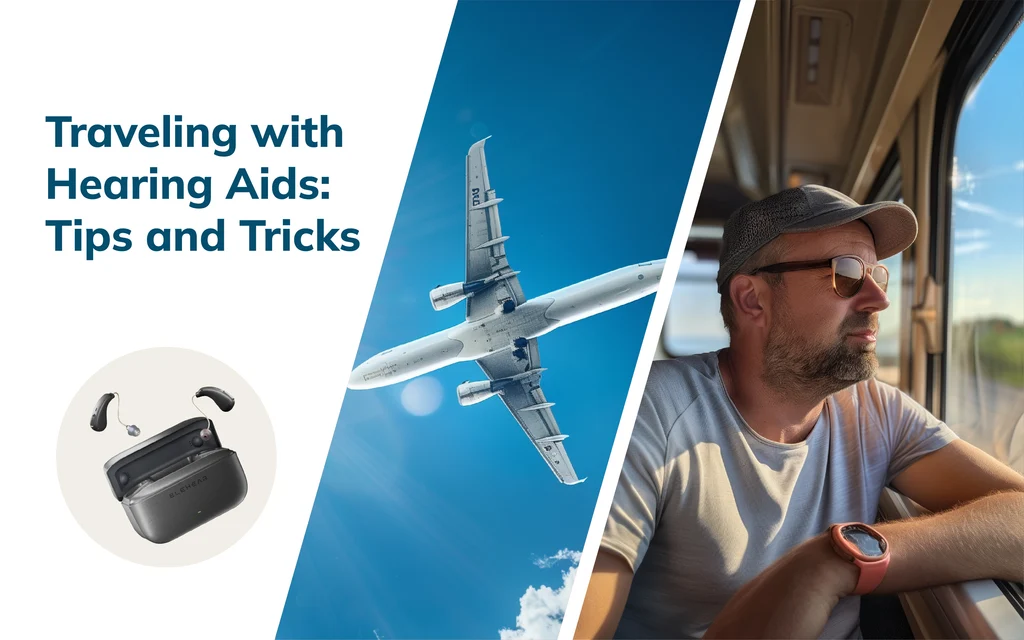
How to Travel With Hearing Aids: Airport, Flight and Holiday Tips

By Soundrich Hearing 

Travelling should be an enjoyable experience, whether you are planning a family holiday, a business trip, or a weekend getaway. However, for people who wear hearing aids, travelling can bring a few additional challenges. Busy airports, flight announcements, unfamiliar surroundings, background noise, and changes in weather can make communication more difficult if you are not prepared.

The good news is that travelling with hearing aids can be comfortable and stress-free with the right preparation. From packing essential accessories to managing your hearing aids during airport security and flights, a few simple precautions can help you stay connected throughout your journey.

At Soundrich Hearing, we understand how important clear communication is when exploring new places. This guide explains how to travel safely and confidently with hearing aids, covering everything from airport procedures and in-flight listening to holiday maintenance and troubleshooting.

1. Prepare Your Hearing Aids Before Travelling

A little preparation before departure can prevent unnecessary difficulties during your trip. Before leaving home, check that your hearing aids are working correctly and that you have everything you need to use and maintain them.

Check your hearing aids

Test your hearing aids a few days before travelling rather than waiting until the morning of your departure. Make sure the sound is clear, the volume settings are comfortable, and the devices connect properly to your smartphone or other accessories.

If you notice distorted sound, frequent feedback, reduced battery life, or intermittent connectivity, arrange a professional check before your trip.

Pack essential accessories

Your travel kit should include:

  • Your hearing aids and their charging case, if applicable.
  • A compatible charger and charging cable.
  • Spare batteries for battery-powered devices.
  • A cleaning brush and other manufacturer-approved cleaning tools.
  • A protective storage case.
  • A drying container or compatible hearing aid dehumidifier.
  • Your smartphone and any necessary connectivity accessories.
  • A copy of your device details and service or warranty information.

Keep essential hearing aid supplies in your hand luggage rather than checked baggage. This allows you to access them during the journey and reduces the risk of being without your hearing aids if your checked suitcase is delayed.

Schedule a hearing aid check if needed

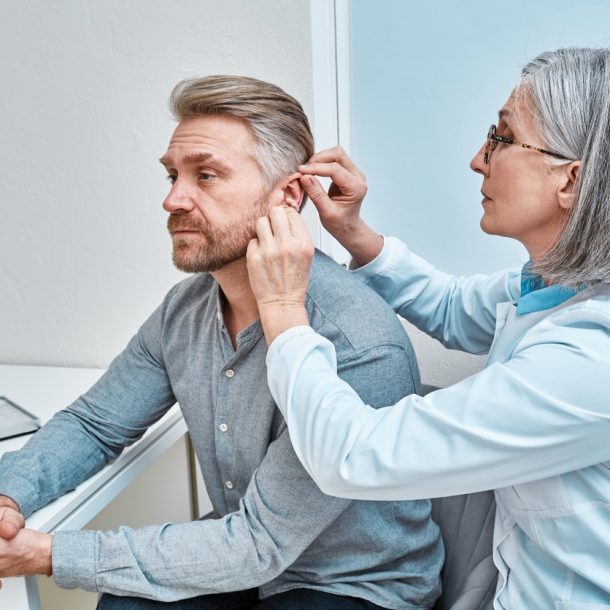
If your hearing aids have not been serviced recently, consider arranging a check before a long holiday. An audiologist can inspect the devices, assess their fit, and help resolve issues that might become inconvenient while you are away.

2. What to Know About Hearing Aids at Airport Security

Airport security procedures can be confusing, particularly if you are unsure whether your hearing aids need to be removed.

In general, hearing aids can usually remain in your ears during airport security screening. However, individual airport procedures may differ, so follow the instructions provided by security personnel.

Here are some useful tips:

  • Tell security staff that you wear hearing aids if you are concerned about communicating during screening.
  • Keep your hearing aids in place unless an officer specifically asks you to remove them.
  • Carry your hearing aid accessories in an organised pouch so that they are easy to locate.
  • If you have difficulty understanding instructions in a noisy security area, ask the officer to repeat them clearly or communicate in writing.
  • Allow extra time for screening if you anticipate needing assistance.

Can airport security scanners damage hearing aids?

Modern hearing aids are designed for everyday use, and routine airport security screening is generally not expected to damage them. Nevertheless, always follow the manufacturer’s instructions and any specific guidance from airport staff.

If your hearing aids use wireless connectivity, you may also wish to check the manufacturer’s recommendations regarding electronic equipment and security screening.

3. Tips for Wearing Hearing Aids on an Aeroplane

Airports and aeroplanes can be challenging listening environments. Engine noise, cabin announcements, conversations, and movement around the cabin may make it difficult to hear speech clearly.

For most people, wearing hearing aids during a flight is appropriate and can help them communicate with fellow passengers and understand announcements.

Keep your hearing aids on during the flight

Unless your hearing care professional or the device manufacturer has advised otherwise, you can generally wear your hearing aids throughout the flight.

They may help you hear cabin crew instructions, communicate with travelling companions, and remain aware of your surroundings.

Remember that hearing aids improve access to sound but do not guarantee that every announcement will be clear in a noisy cabin.

Use your hearing aid’s noise-management features

Depending on your device, available features may include directional microphones, background-noise reduction, and dedicated listening programmes.

Consider the following:

  • Use a suitable programme for noisy environments if your hearing aids offer one.
  • Ask your audiologist how to adjust settings for conversations in crowded places.
  • Use compatible wireless accessories or streaming features where appropriate.
  • Avoid increasing the volume excessively when background noise becomes uncomfortable.

Some hearing aids allow you to adjust settings through a smartphone app. Familiarise yourself with these controls before your journey so you do not have to learn them in a busy airport.

Choose your seat carefully

If you have not booked your seat yet, consider your communication needs when selecting one. Sitting with your travelling companion can make conversation easier, while a seat away from particularly busy areas may help reduce distractions.

Seat selection cannot eliminate cabin noise, but it can make your journey more comfortable.

Inform the cabin crew about your hearing needs

If you are concerned about hearing safety instructions or announcements, tell a member of the cabin crew before take-off. You can request that important information be communicated clearly or repeated when necessary.

Do not rely solely on hearing aids or wireless streaming for emergency instructions. Pay attention to visual safety demonstrations and follow all crew directions.

4. Understand Hearing Aid Batteries and Charging During Travel

Running out of battery power during a long journey can be inconvenient. Your battery strategy should depend on whether you use rechargeable or disposable-battery hearing aids.

Travelling with rechargeable hearing aids

If your hearing aids are rechargeable:

  • Fully charge your devices before leaving home.
  • Pack the correct charging case and power cable.
  • Check whether your charging case has a built-in battery or needs a power source.
  • Carry a suitable travel adapter if visiting another country.
  • Confirm the airline’s rules for any power banks you intend to carry.
  • Avoid leaving hearing aids or charging equipment exposed to excessive heat.

If your charger uses a rechargeable lithium battery, check airline requirements before travelling, particularly for spare batteries and power banks. Keep such items in your cabin baggage when required by the airline.

Travelling with disposable-battery hearing aids

For hearing aids that use replaceable batteries, pack enough compatible spares for the entire trip, plus a few additional batteries in case of delays.

Store batteries securely and follow the manufacturer’s recommendations. Avoid carrying loose batteries where they could come into contact with metal objects.

Practical tip: Do not wait until your hearing aids stop working to look for replacement batteries or a charger. Identify where you can obtain compatible supplies at your destination before travelling.

5. Protect Your Hearing Aids From Heat, Humidity and Water

Different destinations expose hearing aids to different environmental conditions. A beach holiday, a humid tropical destination, a cold-weather trip, and a city break may each require slightly different precautions.

Travelling in hot weather

High temperatures can affect electronic devices and battery performance. Avoid leaving hearing aids in a parked car, on a sunny windowsill, or near a direct heat source.

When spending time outdoors, store your hearing aids in a protective case whenever you remove them.

Travelling to humid destinations

Humidity and perspiration can introduce moisture into hearing aids. To reduce the risk of moisture-related problems:

  • Wipe the devices gently with a dry, soft cloth.
  • Use a manufacturer-approved drying system when appropriate.
  • Store them in a dry location when not in use.
  • Follow the recommended cleaning and maintenance routine.

Do not use a hairdryer, heater, or direct sunlight to dry your hearing aids.

Going to the beach or swimming pool

Many hearing aids offer some degree of moisture resistance, but this does not mean they are waterproof.

Before swimming, showering, or participating in water-based activities, check the device’s water-resistance rating and manufacturer instructions. Remove your hearing aids before entering the water unless the specific device is designed and approved for that use.

Keep them away from sunscreen, sand, salt water, and pool chemicals, all of which may affect device performance.

6. How to Handle Hearing Aids When Staying in Hotels

Hotel rooms are generally convenient places to charge and store hearing aids, but a few simple habits can help prevent accidental damage or loss.

Create a dedicated storage space

Choose one safe location for your hearing aids, charging case, batteries, and cleaning accessories. Keep the devices away from sinks, open windows, direct sunlight, and areas where they might be knocked onto the floor.

Avoid placing hearing aids directly on a bedside table without a case, particularly if you share a room with children or pets.

Keep track of charging equipment

Before checking out, confirm that you have packed your hearing aids, charger, charging cable, batteries, and any accessories.

A quick checklist can prevent the inconvenience of leaving essential equipment behind.

Request assistance when necessary

If you have difficulty hearing hotel staff, ask them to face you while speaking, reduce background noise where possible, or provide important information in writing.

You can also ask about visual or text-based alerts if you need assistance receiving important messages.

7. Tips for Visiting Tourist Attractions and Crowded Places

Tourist attractions, restaurants, markets, railway stations, and sightseeing tours often contain substantial background noise. This can make it harder to follow conversations even when your hearing aids are working correctly.

Make conversations easier

Try these practical strategies:

  • Face the person speaking and maintain a clear view of their face.
  • Choose quieter seating areas in restaurants and cafés.
  • Ask people to speak clearly rather than simply shouting.
  • Position yourself away from loudspeakers and other prominent noise sources.
  • Use a compatible remote microphone or hearing aid accessory if it suits your needs.
  • Confirm important details, such as meeting points and departure times, in writing.

Use your smartphone strategically

Depending on your hearing aids and phone, you may be able to use Bluetooth streaming, speech-to-text features, or compatible accessibility tools.

Before travelling, test these functions and make sure you know how to reconnect your hearing aids if the connection drops.

Download essential travel information, boarding passes, maps, and accommodation details for offline access where possible. This can be particularly useful if mobile connectivity is limited.

8. What If Your Hearing Aid Stops Working While Travelling?

A hearing aid problem can be stressful when you are away from home, but several simple checks may resolve common issues.

If there is no sound

Check that the device is switched on and adequately charged. For battery-powered hearing aids, confirm that the battery is installed correctly and replace it if necessary.

If the sound is weak or distorted

Inspect the device for visible moisture or earwax buildup. Clean it only according to the manufacturer’s instructions, and check that the earmould or dome is correctly positioned.

If Bluetooth stops working

Check that Bluetooth is enabled on your phone, that your hearing aids have sufficient power, and that the devices remain paired. Restarting the connection or following the manufacturer’s reconnection procedure may help.

If the problem continues

Avoid opening the device or attempting repairs that could damage its components. Contact your hearing care provider for advice, or locate an authorised service centre if you are away from home.

For a longer trip, keep your audiologist’s contact details and device model information accessible.

9. Special Travel Considerations for Older Adults With Hearing Loss

Older travellers may need additional support when navigating busy airports, unfamiliar destinations, or group tours.

If you are travelling with a parent or another family member who wears hearing aids, consider these precautions:

  • Discuss communication preferences before the journey.
  • Keep hearing aids, chargers, and spare batteries easy to access.
  • Make sure important travel details are available in writing.
  • Agree on a meeting point in case the group becomes separated.
  • Allow enough time to move between airport gates and transport connections.
  • Request appropriate airport assistance in advance if needed.

Family members should speak clearly, face the person when talking, and avoid giving important instructions while walking away or standing in a noisy area.

These small adjustments can help make travel more comfortable and independent.

10. A Pre-Travel Hearing Aid Checklist

Before leaving home, use this checklist to confirm that your hearing aids and accessories are ready.

  • Hearing aids tested and working correctly.

  • Rechargeable devices fully charged.

  • Charger, charging cable, and travel adapter packed where needed.

  • Spare batteries packed for battery-powered devices.

  • Cleaning tools and protective storage case included.

  • Drying equipment packed if appropriate.

  • Smartphone connectivity checked.

  • Manufacturer instructions and audiologist contact details saved.

  • Airline rules checked for power banks and spare batteries.

  • Hearing aids and essential accessories placed in hand luggage.

A few minutes of preparation can help you avoid unnecessary disruptions and enjoy your holiday with greater confidence.

Conclusion

Travelling with hearing aids does not need to be complicated. By checking your devices before departure, keeping essential accessories in your hand luggage, preparing for airport security, and protecting your hearing aids from moisture and extreme temperatures, you can reduce common travel-related problems.

During flights and holidays, use the features available on your devices, communicate your needs when necessary, and keep a simple troubleshooting plan ready. If your hearing aids are uncomfortable or not performing as expected before your trip, a professional hearing aid check can help you prepare with confidence.

At Soundrich Hearing, we encourage hearing aid users to understand their devices and follow appropriate care practices wherever they travel. If you need guidance on hearing aid maintenance, fitting, or selecting a device that suits your lifestyle, consult a qualified hearing care professional before your next journey.

Frequently Asked Questions (FAQs)

1. Can I wear hearing aids through airport security?

Yes. Hearing aids can generally remain in your ears during airport security screening. Follow the instructions of security personnel and inform them about your hearing needs if you require communication assistance.

2. Should I remove my hearing aids during a flight?

Most people can keep their hearing aids on during a flight. They can help with conversations and announcements. Follow any specific advice from your hearing care professional or device manufacturer.

3. Can I charge my hearing aids on an aeroplane?

This depends on your hearing aid charging system and the power facilities available on the aircraft. Check whether your charger needs a mains outlet or a compatible power source, and follow the airline’s rules for power banks and lithium batteries.

4. Can heat and humidity damage hearing aids?

Excessive heat and moisture can affect hearing aid performance and may damage components. Keep your devices away from direct sunlight, hot vehicles, water, and excessive humidity. Use an approved drying system if recommended by the manufacturer.

5. Should I pack spare hearing aid batteries when travelling?

If you use disposable-battery hearing aids, carry enough compatible batteries for the trip, with a few extras for unexpected delays. If your devices are rechargeable, bring the charger and cable and plan for situations where charging facilities may be limited.

6. Can I swim or shower while wearing hearing aids?

Most conventional hearing aids should be removed before swimming or showering. Water resistance varies by model, so check the manufacturer’s instructions before exposing your devices to water.

7. What should I do if my hearing aids stop working on holiday?

Check the battery or charge level, power settings, device positioning, and any visible blockage or moisture. Follow the manufacturer’s cleaning and troubleshooting instructions. If the problem persists, contact your hearing care provider or an authorised service centre.

8. Can I use Bluetooth hearing aids while travelling abroad?

Yes, in many cases. Bluetooth hearing aids can often connect to compatible smartphones in other countries. However, compatibility depends on the hearing aid, phone, operating system, and manufacturer app. Test the connection before departure.

9. How should I store hearing aids overnight in a hotel?

Store your hearing aids in their protective case in a cool, dry location away from water and direct sunlight. If recommended for your model, use a compatible drying or dehumidifying system.

10. Should I have my hearing aids checked before a long holiday?

A pre-travel check is a good idea if you notice sound problems, discomfort, battery issues, or connectivity difficulties. An audiologist can assess the fit and function of your devices and advise you on maintenance before departure.


Leave A Reply Cancel reply

Your email address will not be published. Required fields are marked *

*

*

What Happens During a Hearing Aid Fitting Appointment? A Complete Guide for First-Time Users
Previous Article
  • Archives

    • October 2026
    • September 2026
    • August 2026
    • July 2026
    • June 2026
    • May 2026
    • April 2026
    • March 2026
    • February 2026
    • January 2026
    • December 2025
    • November 2025
    • October 2025
    • September 2025
    • August 2025
    • July 2025
    • June 2025
    • May 2025
    • April 2025
    • March 2025
    • February 2025
    • January 2025
    • December 2024
    • November 2024
    • October 2024
    • September 2024
    • August 2024
    • July 2024
    • June 2024
    • May 2024
    • April 2024
    • March 2024
    • February 2024
    • January 2024
    • December 2023
    • November 2023
    • October 2023
    • September 2023
    • August 2023
    • July 2023
    • April 2023
    • March 2023
    • February 2023
    • January 2023
    • December 2022
    • October 2022
    • April 2019


Request Appointment

If you're struggling to hear, don't wait any longer. Request an appointment for sound aid hearing today and get the help you need.
Get In Touch

We help our clients hear again

We are driven by the values of customer centricity and integrity. We will always have your best interests in our heart while dealing with you.

Read More
Facebook Instagram Linkedin Google

Explore

Home
About Us
Product
Services
Learn
Centre Location
Contact

Other Links

Disclaimer
Privacy Policy
Terms of Service

Soundrich Hearing Pvt. Ltd.

Dwarka

Flat No. 63, Ground Floor,
Sunview Apartment, Pocket-4,
Sector-11, Dwarka,
New Delhi – 110075

Uttam Nagar

info@soundrichhearing.com

E-9, Flat No. – 101,
Om Vihar Extension, Uttam Nagar,
Delhi – 110059

Janakpuri

Shop No. 1/105, Block C4E,
Near C4E Bus Stop,
Janakpuri,
New Delhi – 110058

Copyright 2026 to Soundrich Hearing All Right Reserved | Designed & Developed By Soundrich Hearing